


Introduction
Cartilage injuries are a common problem, often causing ongoing knee pain and limiting movement. Because cartilage acts as a cushion within our joints, damage can make everyday tasks uncomfortable and difficult. Recently, ChondroFiller has gained attention as a modern, minimally invasive treatment designed to repair cartilage defects in carefully chosen patients. This article explains who is most suitable for ChondroFiller and why selecting the right patient is crucial for successful treatment outcomes.
Understanding the ChondroFiller Procedure
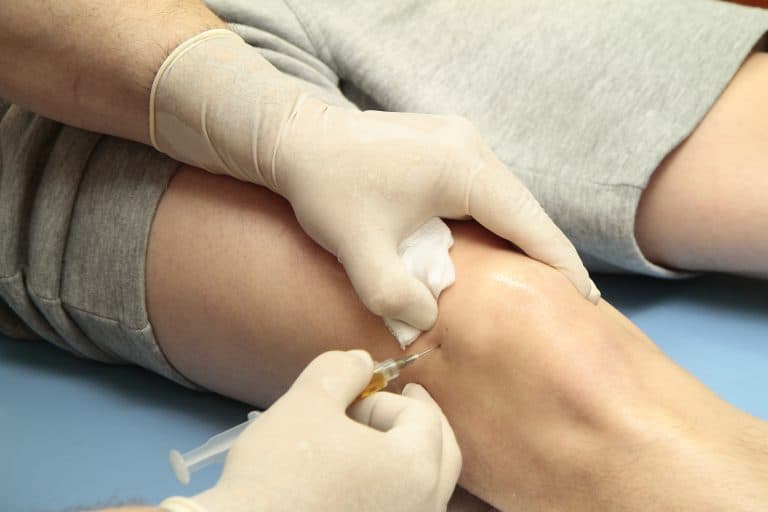
ChondroFiller involves the careful application of a gel-like material directly into the cartilage defect through small keyhole incisions. This material encourages the body’s own cells to repair the damaged cartilage. Unlike traditional surgery, which often involves larger cuts and longer healing times, ChondroFiller is less traumatic and generally quicker to recover from. One study describes it as “a resorbable filler based on type I collagen... stimulating the growth of chondrocytes and the consequent induction of cartilage regeneration.” Another research highlights it as “a safe procedure which was able to provide satisfactory results.” While the technique is minimally invasive, it requires a skilled surgeon to apply the material with precision. When performed on the right candidate, ChondroFiller is not considered high risk, but success depends heavily on selecting patients carefully.
Key Criteria for Patient Selection
ChondroFiller tends to work best for younger adults who experience knee pain because of small, localised cartilage defects, usually in one part of the knee. These patients generally have healthy joints aside from the cartilage damage. On the other hand, people with advanced osteoarthritis or widespread joint damage usually aren’t suitable, as the treatment is less effective in those cases. Researchers stress that patients should be assessed thoroughly using imaging like x-rays or MRI scans, as in one study where patients were “recruited according to the inclusion criteria with x-ray and, only for group A, also with MRI.” Another study working with hip cartilage patients included only those with “grade IV chondral lesions (2–4 cm²),” excluding those with more severe joint issues. Similarly, research involving knees and ankles treated “small (up to 6 cm²) cartilage defects.” A thorough evaluation that considers lifestyle, activity levels and overall health remains essential to identify suitable candidates.
Free non-medical discussion
Not sure what to do next?
Information only · No medical advice or diagnosis.
Patient Experience and Anticipated Benefits
If you choose to have ChondroFiller treatment, you can expect an initial consultation to discuss your symptoms and assess your suitability. Because the procedure is minimally invasive, patients usually experience less pain after surgery compared to traditional techniques and enjoy a faster recovery. Many report noticeable improvements in knee pain and function. For example, a recent study showed “an improvement in pain symptoms, associated with an increase in force in pincer and grip movements.” A hip cartilage study also found “significant improvement in all parameters” two years after surgery, with “patients’ satisfaction... 86.6%” and all sportspersons returning to their activities. In a knee and ankle study, “about 80% of patients indicated good or very good results and would have the operation done again,” with no reported complications. While results vary and no guarantees can be made, minimally invasive options like ChondroFiller often allow patients to get back on their feet sooner with lower risks compared to more invasive surgery.

The Professional Advantage: Professor Paul Lee and London Cartilage Clinic
Professor Paul Lee is a highly regarded cartilage specialist and regional surgical ambassador, advising the Royal College of Surgeons of Edinburgh. He and the London Cartilage Clinic provide expert assessment, treatment, and rehabilitation for cartilage injuries. The clinic is known for its professional, patient-focused approach to advanced cartilage repair. It’s important to note that while Professor Lee and the clinic have extensive experience, they are not the original developers of ChondroFiller but offer expert support and care for those considering this treatment.
Conclusion and Responsible Advice
Choosing the right patient for ChondroFiller is key to achieving the best possible results. When carefully selected, patients can enjoy reduced knee pain and improved joint function with this modern, less invasive treatment. However, it is vital to seek personalised advice from a qualified healthcare professional to explore whether ChondroFiller is suitable in your case. For individual medical advice, please consult a qualified healthcare professional.
References
- Corain, M., Zanotti, F., Giardini, M., Gasperotti, L., Invernizzi, E., Biasi, V., & Lavagnolo, U. (2023). The use of an acellular collagen matrix ChondroFiller® Liquid for trapeziometacarpal osteoarthritis. Journal of Hand Surgery (European Volume). https://doi.org/10.1177/19476035251354926
- De Lucas Villarrubi, J. C., Méndez Alonso, M. Á., Sanz Pérez, M. I., Trell Lesmes, F., & Panadero Tapia, A. (2021). Acellular matrix-induced chondrogenesis technique improves the results of chondral lesions associated with femoroacetabular impingement. Arthroscopy: The Journal of Arthroscopic & Related Surgery, 37(11), 3127-3138. https://doi.org/10.1016/j.arthro.2021.08.022
- Breil-Wirth, A., von Engelhardt, L., Lobner, S., & Jerosch, J. (2016). Retrospective study of cell-free collagen matrix for cartilage repair. Orthopädische und Unfallchirurgische Praxis, 52(5), 515-520. https://doi.org/10.3238/oup.2016.0515-0520
Frequently Asked Questions
- London Cartilage Clinic stands out due to its focus on advanced cartilage repair and comprehensive care, led by highly qualified specialists like Professor Paul Lee. The clinic offers tailored assessment and innovative treatments, ensuring patient-focused support for a range of cartilage problems.
- Professor Paul Lee is a recognised cartilage expert, Royal College of Surgeons of Edinburgh Ambassador and Advisor. His expert knowledge and surgical skill help patients receive safe, modern, minimally invasive treatments, supported by the latest research and personalised rehabilitation plans.
- Younger adults with small, localised knee cartilage defects and generally healthy joints are the best candidates. Professor Lee and his team carefully assess each patient, using advanced imaging and thorough consultations, to ensure suitability for the ChondroFiller treatment.
- ChondroFiller is minimally invasive, typically providing less post-operative pain and faster recovery than traditional surgery. Many patients report improved knee function and reduced pain, supported by clinical research, though outcomes always depend on careful patient selection and professional expertise.
- Patients can expect a detailed consultation, expert imaging studies, and a tailored treatment plan. Under Professor Lee’s experienced guidance, every step focuses on safety, comfort, and achieving the best possible functional outcome for your lifestyle and expectations.
Legal & Medical Disclaimer
This article is written by an independent contributor and reflects their own views and experience, not necessarily those of London Cartilage Clinic. It is provided for general information and education only and does not constitute medical advice, diagnosis, or treatment.
Always seek personalised advice from a qualified healthcare professional before making decisions about your health. London Cartilage Clinic accepts no responsibility for errors, omissions, third-party content, or any loss, damage, or injury arising from reliance on this material.
If you believe this article contains inaccurate or infringing content, please contact us at [email protected].
London Cartilage Clinic
Modern treatments, designed for lasting knee outcomes
Every treatment plan is selected to help you return to the quality of life you deserve. Our team combines up-to-date techniques with consultant-led decision making across cartilage repair, regeneration and replacement.
What your journey can look like
Step 01
Consultant-Led Assessment
Symptoms, imaging and goals reviewed in one structured appointment.
Step 02
Personalised Treatment Plan
A clear route chosen from repair, regeneration or replacement options.
Step 03
Precision Delivery
Modern techniques and specialist equipment matched to your diagnosis.
Step 04
Long-Term Knee Health
Follow-up guidance focused on durable function and quality of life.
Will the Arthrosamid work for me
PAAG-8+ Questionnaire
A bright, structured entry point for patients exploring Arthrosamid. The questionnaire helps frame suitability, expectations, and 24-month clinical benefit discussion before a fuller consultant-led review.
Designed for shared decision-making. It does not replace specialist consultation, examination, imaging review, or formal medical advice.